
Paga minimale në Kosovë: drejt dinjitetit në punë apo përballë realitetit ekonomik?

Paga minimale është një nga instrumentet më të rëndësishme të politikës sociale dhe ekonomike. Ajo përcakton kufirin më të ulët të kompensimit që një punëtor mund të marrë për punën e tij, duke synuar një jetesë dinjitoze dhe mbrojtjen nga shfrytëzimi. Në Kosovë, ku papunësia dhe informaliteti janë ende të larta, paga minimale mbetet më shumë çështje e drejtësisë shoqërore sesa thjesht një instrument ekonomik.

Koncepti i pagës minimale daton që nga shekulli XIV, kur në Angli, pas murtajës që uli ndjeshëm numrin e punëtorëve, u miratua Statuti i Punëtorëve nga mbreti Eduard i Tretë për të kufizuar pagat dhe mbrojtur shtresat e varfra. Në shekullin XIX, me revolucionin industrial dhe politikat e tregut të lirë, pabarazitë u thelluan, çka nxit ekonomistë si David Ricardo dhe John Stuart Mill të argumentonin për nevojën e një page minimale që të siguronte jetesën bazike. Shekulli XX e bëri pagën minimale standard ligjor: Zelanda e Re, Australia dhe më pas SHBA e përfshinë në politikat e tyre ekonomike, ndërsa presidenti Franklin D. Roosevelt theksoi se “asnjë biznes nuk ka të drejtë të ekzistojë nëse i paguan punëtorët më pak se ç’nevojitet për jetesën e tyre”.

Sot, mbi 90 për qind e vendeve në botë kanë paga minimale të përcaktuara me ligj. Në Bashkimin Evropian, 21 nga 27 shtetet anëtare e kanë të institucionalizuar këtë mekanizëm. Sipas të dhënave për vitin 2024, paga minimale më e ulët në BE është në Bullgari me 477 euro, ndërsa më e larta në Luksemburg me 2,387 euro. Vendet si Suedia, Finlanda dhe Danimarka nuk kanë ligje për pagë minimale, por e përcaktojnë përmes marrëveshjeve kolektive mes sindikatave dhe punëdhënësve, duke reflektuar një dialog social të qëndrueshëm.

Në Kosovë, paga minimale u vendos për herë të parë në vitin 2011 me dy nivele diskriminuese sipas moshës: 130 dhe 170 euro. Vetëm në prill 2022 ajo u rrit në 264 euro bruto, ndërsa në shtator 2024 u bë rritja e fundit, duke e unifikuar pagën minimale në 300 euro bruto për të gjithë punëtorët, pa dallim moshe apo statusi. Edhe pse ky është një hap pozitiv, vlera mbetet shumë larg kostos reale të jetesës, e cila sipas Agjencisë së Statistikave të Kosovës (ASK) dhe Bankës Botërore tejkalon 1,000 euro në muaj për një familje mesatare. Kështu, paga minimale aktuale mbulon më pak se një të tretën e nevojave bazike për jetesë në vend.

Ligji parashikon që paga minimale të përcaktohet nga Këshilli Ekonomiko-Social (KES), një trup tripalësh me përfaqësues nga qeveria, sindikatat dhe punëdhënësit. Por në praktikë, ky mekanizëm ka qenë jofunksional për më shumë se pesë vjet. Arsyeja qëndron në kufizimin ligjor të përfaqësimit: sipas Ligjit Nr. 04/L-008 për Këshillin Ekonomiko-Social, vetëm konfederatat sindikale dhe organizatat e punëdhënësve që përfaqësojnë së paku 10 për qind të punëtorëve ose punëdhënësve në Kosovë mund të jenë anëtare të Këshillit. Në një vend ku mbi 95 për qind e bizneseve janë të vogla dhe të mesme, ky kriter praktikisht e përjashton sektorin privat nga përfaqësimi real. Si pasojë, në Kosovë mungojnë sindikatat e sektorit privat dhe dialogu social dominohet nga përfaqësues të sektorit publik, duke e bërë procesin e vendimmarrjes të pjesshëm dhe të kufizuar.

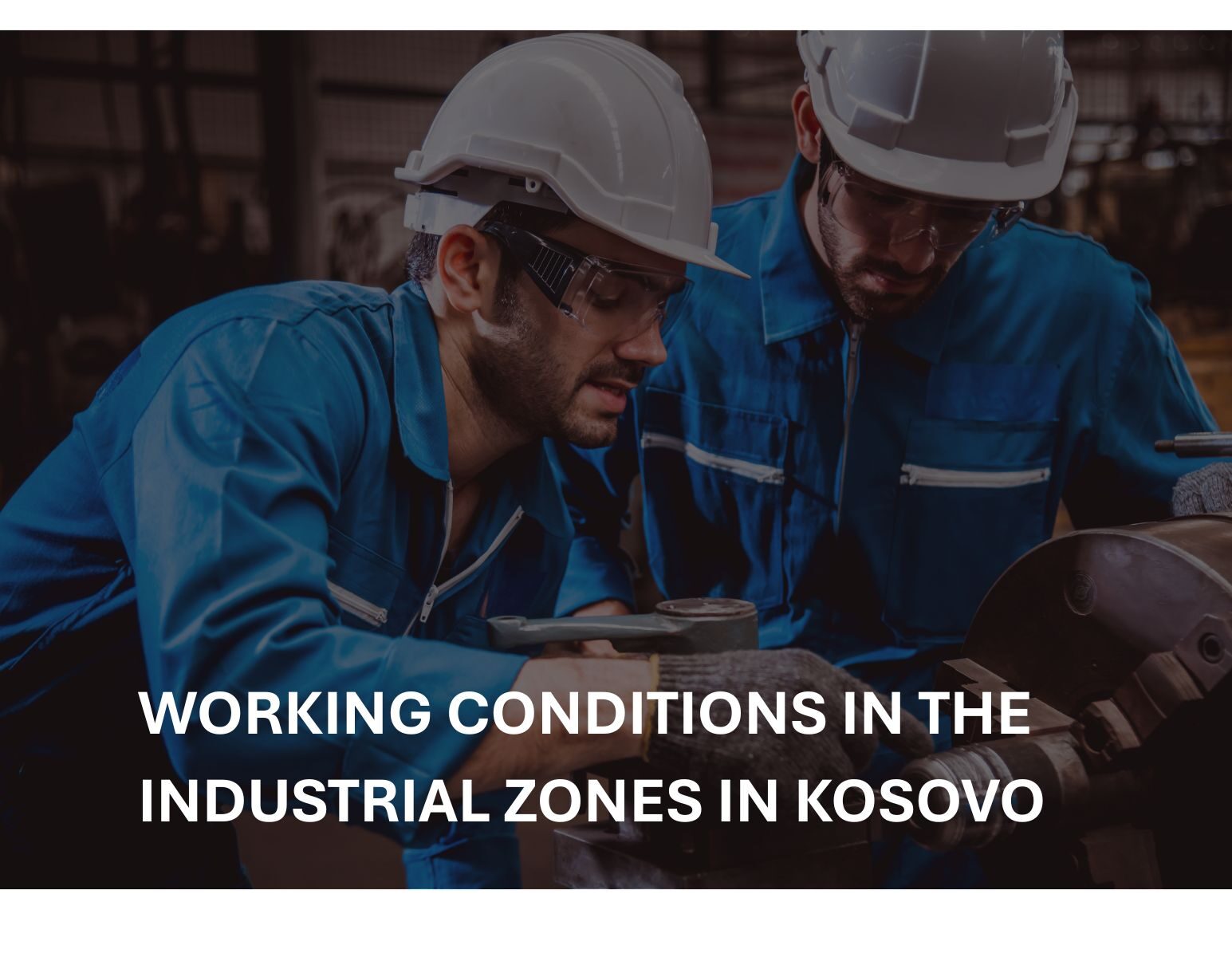
Raportet e fundit e theksojnë këtë boshllëk institucional. Sipas Iniciativës Kosovare për Stabilitet (IKS), në publikimin “Kushtet e Punës në Zonat Industriale në Kosovë” (2023), në shumë zona industriale dhe në sektorë si gastronomia dhe ndërtimtaria, mbi 60 për qind e punëtorëve punojnë pa kontrata të rregullta. Po sipas të dhënave të IKS, 56 për qind e punëtorëve në sektorin privat punojnë shtatë ditë në javë, shpesh me orar të zgjatur dhe pa sigurime shëndetësore. Raporti tjetër i IKS “Monitorimi i Zbatimit të Ligjit të Punës në Kosovë” (2022) tregon se mungesa e inspektimeve dhe kontratat afatshkurtra kanë krijuar një treg pune të brishtë dhe të pasigurt.

Në të njëjtën linjë, Raporti i Organizatës Ndërkombëtare të Punës dhe Ministrisë së Financave, Punës dhe Transfereve për Tregun e Punës në Kosovë (2023) vlerëson se rreth 33 për qind e punëtorëve në Kosovë punojnë pa kontrata formale. Ndërkohë, Inspektorati i Punës ka vetëm rreth 70 inspektorë aktivë për të mbikëqyrur afro 300 mijë punëtorë në sektorin privat. Kjo e bën pothuajse të pamundur monitorimin efektiv të zbatimit të ligjeve të punës dhe garantimin e pagës minimale. Në raportet e fundit të Agjencisë së Statistikave të Kosovës (2024) theksohet se sektorët më të rrezikuar nga informaliteti dhe pagat nën minimum janë ndërtimtaria, prodhimi dhe tregtia me pakicë.

Debati mbi pagën minimale ndan ekonomistët. Disa mendojnë se një rritje e menjëhershme mund të rëndojë bizneset e vogla, ndërsa të tjerë argumentojnë se rritja graduale është e domosdoshme për të ulur varfërinë dhe për të nxitur konsumin. Analizat e IKS dhe të ekspertëve të tregut të punës sugjerojnë se një pagë minimale prej 350–400 euro, e shoqëruar me politika lehtësuese fiskale për bizneset, do të përmirësonte mirëqenien pa rritur papunësinë. Sindikatat kërkojnë që ajo të lidhet me koston reale të jetesës dhe të përditësohet çdo vit sipas inflacionit, si në vendet e BE-së.

Në fund, paga minimale në Kosovë nuk është vetëm një numër. Ajo është tregues i mënyrës se si shteti dhe shoqëria e trajtojnë punën dhe dinjitetin njerëzor. Një pagë që nuk mbulon nevojat elementare nuk mund të quhet minimale në kuptimin e plotë të fjalës. Prandaj, vendosja e një page minimale reale duhet të shihet si investim në kapitalin njerëzor dhe në stabilitetin e vendit, jo si barrë për bizneset. Vetëm përmes dialogut të mirëfilltë social, inspektimeve të rregullta dhe politikave që mbrojnë të punësuarit e sektorit privat, paga minimale mund të bëhet mjet i drejtësisë shoqërore dhe i zhvillimit ekonomik të qëndrueshëm.
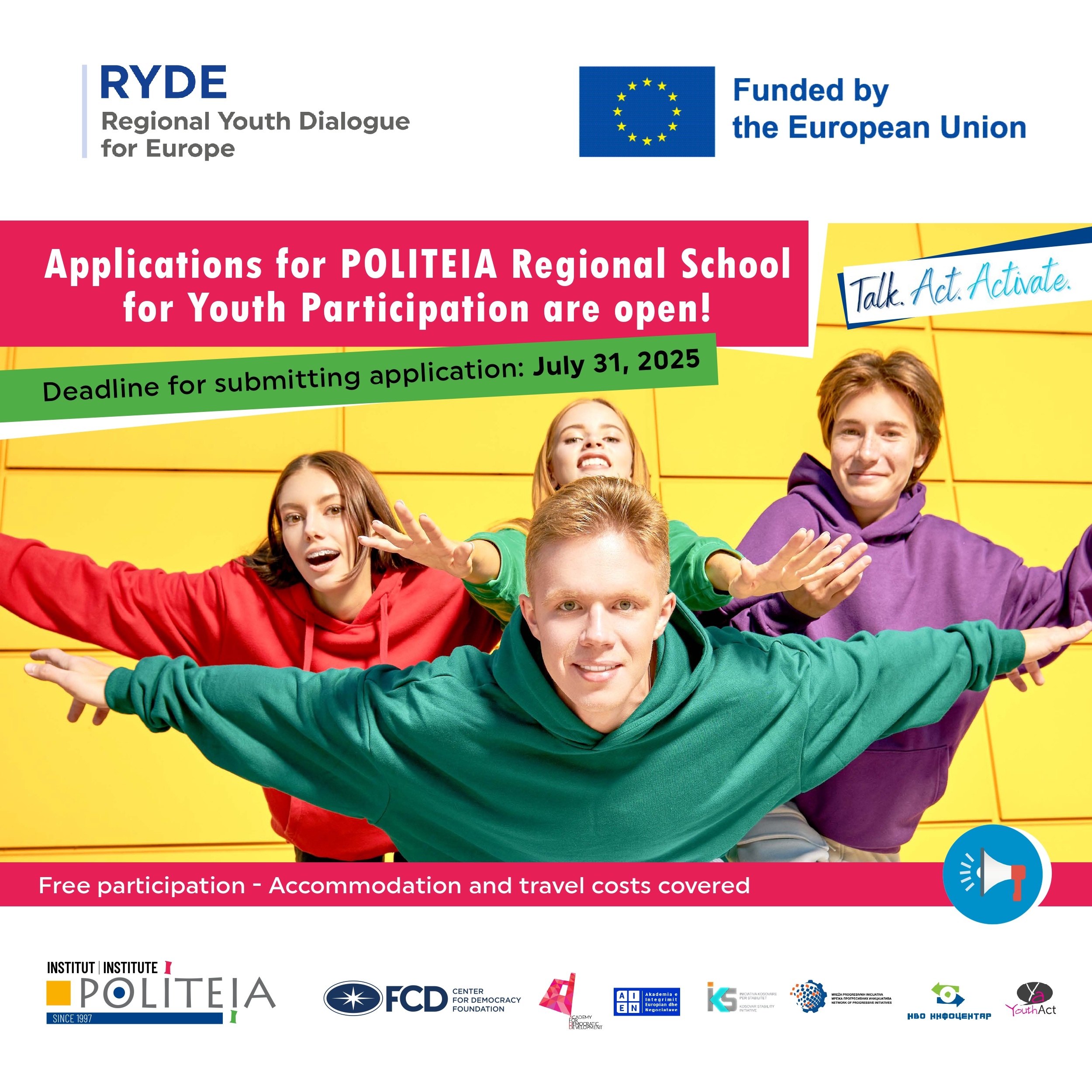
Application for POLITEIA Regional School for Youth Participation

Politeia 2025 Call For Proposal Regional School for Youth Participation

Talk. Act. Activate! POLITEIA 2025 – Regional School for Young People Who Make a Difference!

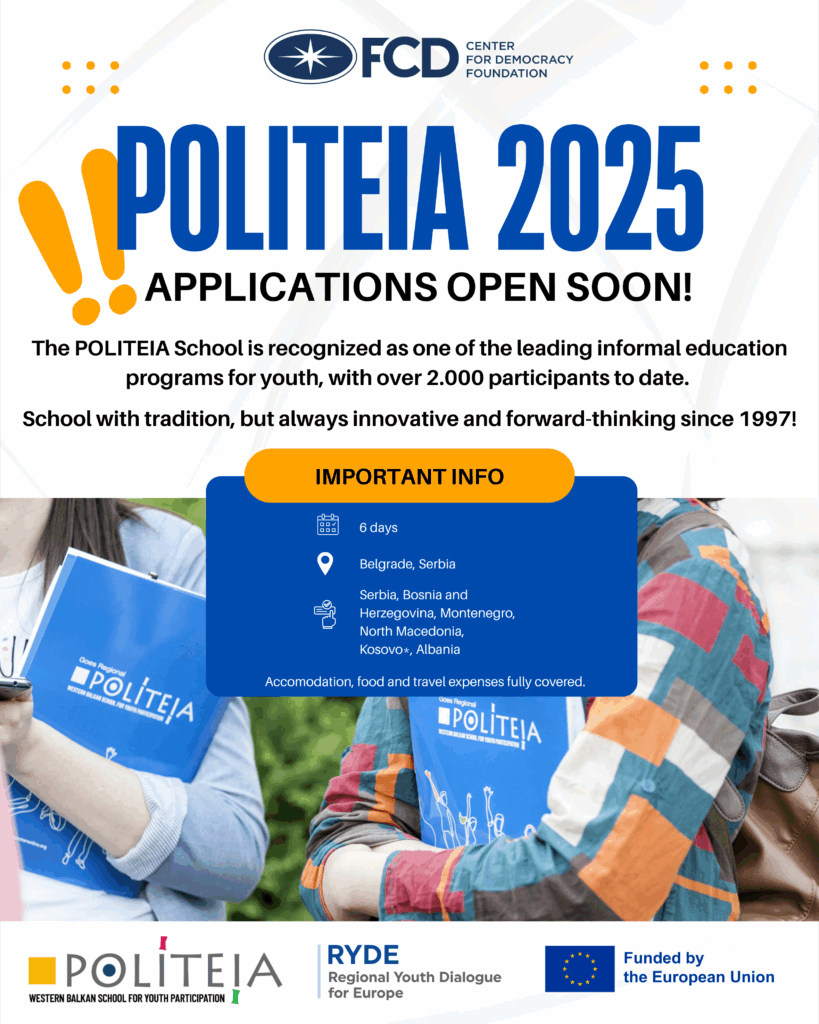
Are you ready to change things? Do you want your voice to be heard? Join the POLITEIA Regional School for Youth Participation 2025, taking place from September 21 to 27, 2025, in Belgrade, Serbia!

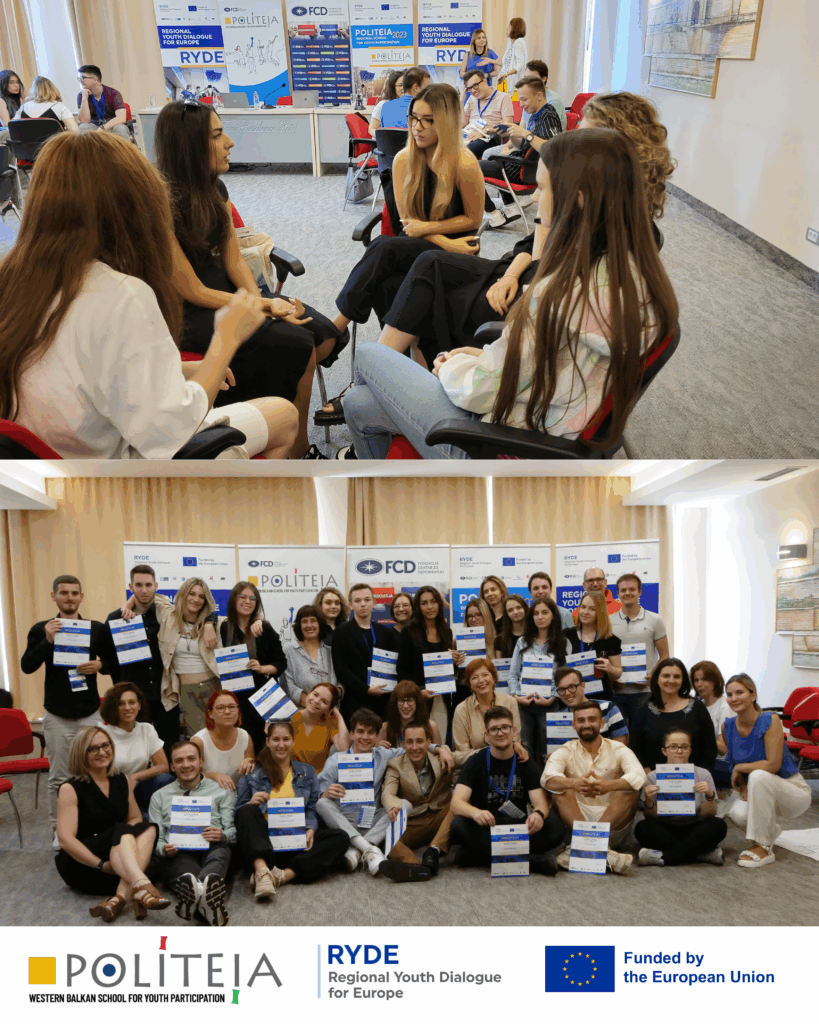
POLITEIA is known as a school with tradition, yet always innovative and forward-thinking. Since 1997, when the first school for civil society was held, young people have gained valuable knowledge through this program about democracy, European values, and active societal participation. Thanks to its high-quality curriculum, dedicated lecturers, interactive working methods, and carefully selected participants, POLITEIA has grown into one of the most prestigious non-formal education programs in the region – with over 2.000 alumni to date!

Since 2018, POLITEIA has had a regional character, bringing together youth from across the Western Balkans, creating an inspiring environment for exchanging ideas, experiences, networking, collaboration, and developing joint initiatives.

This year’s POLITEIA School is part of the three-year project “Regional Youth Dialogue for Europe – RYDE” (2023–2026), supported by the European Union, and implemented as a continuation of the successful “Balkan Youth for Europe – RYCE” project (2018–2021).

Key topics of POLITEIA 2025 include:

  • European identity and national narratives – shared values and cohesion
  • The Western Balkans and the current moment for EU enlargement
  • The economy of integration: What do we gain by adopting European standards?
  • Political decision-making: Who decides in our name and how can we influence them?
  • Civic participation and the role of youth in public policy creation
  • Democracy or populism: Challenges of political culture in the Western Balkans
  • How is artificial intelligence transforming the youth labor market?
  • Dialogue with decision-makers – from form to substance
  • Gender equality as a foundation of social balance
  • Toxic media narratives and hate speech – how to recognize and respond?
  • Regional cooperation – a condition for accession or a real necessity in the Western Balkans?
  • Informal dialogue and youth as drivers of change
  • How to create project ideas that transform communities?

Who can apply?

Participation in the POLITEIA Regional School for Youth Participation is open to all adults aged 18 to 25 – high school graduates, students, activists, and young professionals – from Albania, Bosnia and Herzegovina, Serbia, Montenegro, Kosovo, and North Macedonia*.

Participants will be carefully selected based on:

  • Academic and activist achievements
  • Professional and community engagement
  • Most importantly, motivation to become part of the POLITEIA alumni network

Preference will be given to applicants who demonstrate clear interest in:

  • European integration of the Western Balkans and its societal, economic, and political benefits
  • Development of youth policies
  • Regional and European youth networking
  • Active involvement in public policy design and implementation

All participants who successfully complete the program will receive a certificate of completion.

The application deadline is July 31, 2025.

>>> Application form for the POLITEIA Regional School for Youth Participation 2025

The working language of the school is English.

Participation in POLITEIA 2025 is free of charge! The organizer covers accommodation, meals, and transportation costs.

Don’t miss the chance to become part of the POLITEIA community and contribute to positive change in your environment!

Talk. Act. Activate!

Apply. Get involved. Be the change!

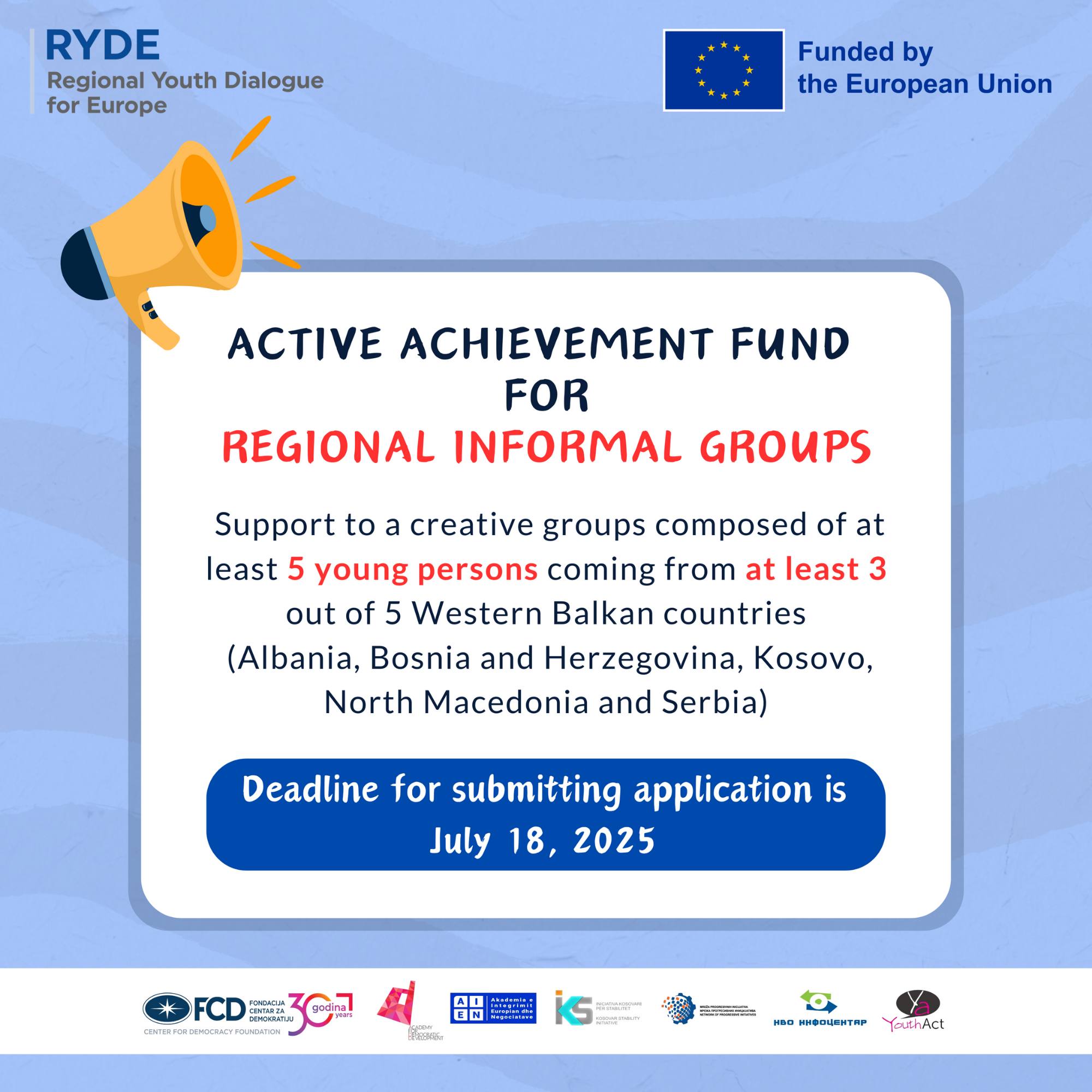
Call for Proposals for the Active Achievement Fund for Regional Informal Groups is open!

Politeia 2025
Polieia 2025

We are officially launching the open Call for Proposals for the Active Achievement Fund for Regional Informal Groups within the framework of the project Regional Youth Dialogue for Europe funded by the European Union.

The main objective of this Call is to strengthen creative groups in the Western Balkans, particularly informal ones, by providing financial support for initiatives aiming to:

  1. Increase youth activism in their communities and participation in structured dialogue with decision makers on public policies relevant to youth
  2. Advocate for the adoption of European values and strengthening of democratic and responsible institutions
  3. Promote regional cooperation and political, economic and social benefits of the EU integration for the Western Balkans countries

Total available budget of the Active Achievement Fund in 2025 is 15.000 EUR. Regional informal groups can apply for financial support for project that must fall between the following minimum and maximum amount:

  • minimum amount: 2.000 EUR
  • maximum amount: 4.000 EUR

Only informal groups are eligible to apply for this Call for Proposals. These groups are not formally registered and have a low level of formality and weak technical and managerial skills. The Call is open to informal groups that spontaneously gathered to solve a problem in the local community, with priority to individuals that participated in RYDE activities such as Politeia School, Politeia Thematic Sessions, Youth Policy Labs and Internship program.

The regional groups shall be composed of at least 5 young people aged 16-30 who are citizens of at least 3 out of five Western Balkan countries in which the RYDE project is implementing (Albania, Bosnia and Herzegovina, Kosovo* [1] , North Macedonia and Serbia). At least one person from the informal group must be of legal age in order for the project implementation contract to be signed.

Support will be provided through direct payments conducted by RYDE partner organizations that will act as intermediary organizations for the particular project. With the project proposal, the applicants should select the project host country which will consequently determine which partner organization will act as intermediary organization. The partner organizations will execute payments for costs incurred as per the approved small project budget.

Host country

City

Intermediary organizations

Contact

Albania

Tirana

Youth Act Center

info@youthact.al

Bosnia and
Herzegovina

Sarajevo

Network of Progressive
Initiatives

info@mpi.ba

Kosovo*

Pristina

Kosovar Stability Initiative

info@iksweb.org

North Macedonia

Skopje

NGO Info Center Foundation

contact@nvoinfocentar.org.mk

Serbia

Novi Sad

Regional Academy for
Democratic Development

 office@regionaladd.org

The duration of the projects is from three to six months.

The selected informal groups are obliged to implement their projects within the period from 1 August 2025 to 31 January 2026.

The deadline for submitting applications is 18th of July 2025 at 20:00 CET.

Applicants must apply in English and submit their applications electronically to the e-mail address: info@iksweb.org.

You can find below the Guidelines for regional informal groups and the Annexes needed for the project application.

The Active Achievement Fund is a sub-granting activity of the three-year regional project “Regional Youth Dialogue for Europe – RYDE“, funded by the European Union in the period 2023-2026.

Guidelines and Annexes

Working Conditions in the Industrial Zones in Kosovo

Working Conditions in Informal Industrial Zones in Kosovo

This report is the final output from the research focusing on measuring the application of labor law and other labor-related legislation in one of the sectors where MINT (former MTI) has made significant capital investments in Kosovo-Industry. The report makes an overview of labor and health and safety at work legislation, and the institutional framework to enforce them. It further makes an overview of the extent to which these regulations are enforced in the informal industrial zones in Kosovo.

Terms of Reference – Training on Gender-Based Discrimination for Journalists

PROJECT’S DESCRIPTION:

Kosovar Stability Initiative (IKS), in partnership with Kosovar Gender Studies Center (KGSC), is implementing theproject “Advancing Gender Equality and Diversity through Elimination of Gender-Based Discrimination at Workplace”,funded by the European Union, managed by the European Union Office in Kosovo. The main aim of the project isto identify some of the current struggles and challenges in organizing the labor market in Kosovo from the prismof human rights on gender-based discrimination. By identifying the main issues, the proposed action will also list themost appropriate public policies and strategies for the key actors for interventions in the labor market with the purposeof enhancing current norms and practices at work, with an emphasis on underprivileged social groups. Theproposed action targets the more sensitive social groups in Kosovo, which stand at the bottom of the social andeconomic hierarchy, and gives a stance in including and respecting their rights, as a precondition of Kosovo to fulfillEU Accession processes. To achieve this, the specific objectives of the project are committed to:

O1: Improve gender perspective in EU accession documents.

O2: Increase the engagement of women’s organizations in the EU Integration process.

O3: Inform and engage society in Gender and EU Integration discourse

You can find the Terms of Reference below. Please download the document for further details on the content and application process.

DOWNLOAD THE TERMS OF REFERENCE

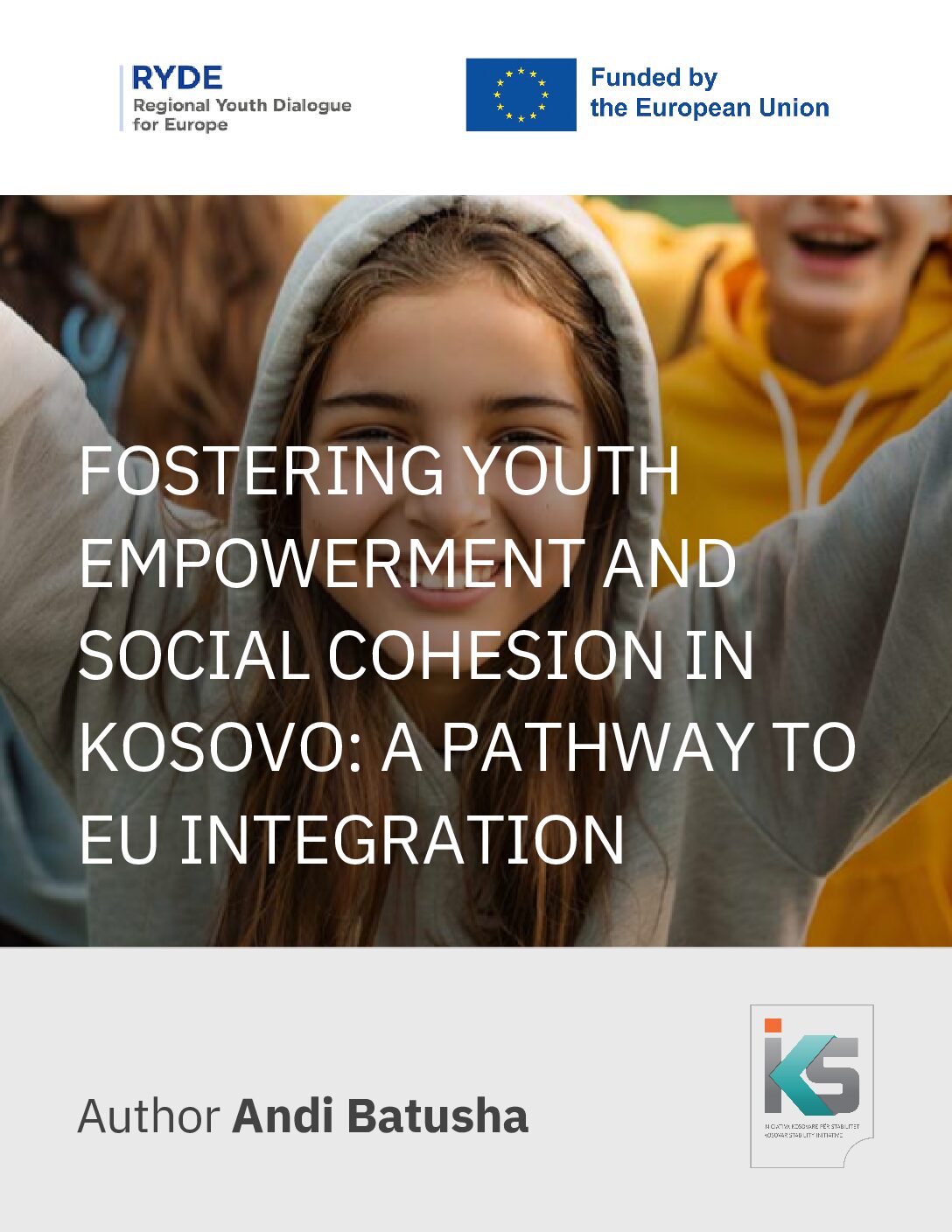
Fostering Youth Empowerment and Social Cohesion in Kosovo: a Pathway to EU Integration

The high level of youngsters not in employment, education, or training (NEET) standing at approximately 30%, suggests a critical situation to be addressed. The NEET (Not in Employment, Education, or Training) rate within the European Union stood at 11.7% in 2022, as reported by Eurostat. This figure contrasts with the much higher rate in Kosovo, suggesting a significantly more challenging situation in terms of youth engagement in Kosovo compared to the EU average. Further, access to cultural and sportive activities remains limited, with only a third of youth participating in some organized events, hindering social interaction and engagement. Moreover, disparities in public service access persist, particularly in rural areas, affecting around a quarter of the youth. Tackling these challenges is imperative to ensure equitable opportunities and promote social cohesion among Kosovo’s youth.

NGO partnere ne RYDE

https://www.facebook.com/share/p/163Li98WaK/ Jan 28 2025
Introduction of intern

https://www.facebook.com/share/p/15j2VGLRMx/  Jan 16 2025
Public Debate with the Youth of the Regions of Kosovo

https://www.facebook.com/share/p/1Nyap1csXV/ Dec 30 2024
Applications for Politeia

https://www.facebook.com/share/p/1B2R5po6Wv/ Oct 11 2024
Invitation to policy labs

https://www.facebook.com/share/p/1CDnkpB8ot/ Jul 2 2024
Apply for the Active Achievement Fund for strengthening informal groups in the Western Balkans

https://www.facebook.com/share/p/14uup9sS7T/ Jun 12 2024
Launching the Active Achievement Fund for strengthening informal groups in the Western Balkans

https://www.facebook.com/share/p/18rnK82uUx/ Jun 4 2024
Opinion piece on youth empowerment and social cohesion in Kosovo

https://www.facebook.com/share/p/14mW9aJ69J/ April 29 2024
RYDE Regional Meeting

https://www.facebook.com/share/p/1KHnEwKhya/ April 11 2024
Proposals for Youth Fund: Regional Youth Initiatives
https://www.facebook.com/share/p/1BQFkA6zhR/ Jul 6 2023
Opening of Politeia School

https://www.facebook.com/share/p/1ApjgenaG4/ May 29 2023
Applications for Politeia

https://www.facebook.com/share/p/157MQ6hvX7/ Sept 13 2024
National Presentation of the Regional Youth Dialogue for Europe (RYDE) project

https://www.facebook.com/share/p/1B6MnQw3EX/ Oct 28 2024
Published comparative analysis of youth policies in Western Balkans

https://www.facebook.com/share/p/1DiDaMqwrV/ Oct 15 2024
Call for Interns: Regional Youth Dialogue for Europe!

https://www.facebook.com/share/p/19k55qujQK/ Jan 23 2025
POLITEIA Thematic Session highlight

https://www.facebook.com/share/p/14pW7tnTV3/ May 29 2024
Applications for POLITEIA

https://www.facebook.com/share/p/19v3iX8YtU/ Jan 14 2025
Public debate “The Impact of Migration on Regional Youth: Workforce in Transition”

https://www.facebook.com/share/p/1ACk2pwCQ6/ Dec 11 2024
Several recommendations for improving sexual and reproductive health of youth were issued by this Comparative Analysis

https://www.facebook.com/share/p/12EbLVaGMn2/ Dec 10 2024
Several recommendations for improving educational policies in the WB6 were formulated by the Comparative Analysis of Youth Policies in the WB

https://www.facebook.com/share/p/19v68zpSuG/ Jul 18 2023
POLITEIA Participants

https://www.facebook.com/share/p/1U8FWoxDRr/ Nov 22 2023
opportunity to get acquainted with existing employment policies in the Western Balkan region

https://www.facebook.com/share/p/1Kyij3urNN/ Feb 26 2024
Key findings from the Research on the Attitudes of civil society organizations and young people: Western Balkans Youth in Policy Making Processes

https://www.facebook.com/share/p/19rzf2BrED/ Jun 16 2023
Politeia

https://www.facebook.com/share/p/1FbJvMJg82/ May 31 2023
Intensive preparations for "POLITEIA Regional School for Youth Participation" with partner CSOs from the Western Balkans

https://www.facebook.com/share/p/15FEbeCro2/ Jun 27 2023
General description of RYDE

https://www.facebook.com/share/p/18YHSs1C7o/ March 6 2024
Key findings from the Research on the Attitudes of civil society organizations and young people: Western Balkans Youth in Policy Making Processes

https://www.facebook.com/share/p/1D1ZVfJSN2/ Dec 6 2024
Key findings from the Comparative Analysis of Youth Policies in the Western Balkans

https://www.facebook.com/share/p/1FHXfCcYh7/ Aug 13 2024
General description of RYDE

https://www.facebook.com/share/p/19k55qujQK/ Jan 24 2025
POLITEIA Thematic Session highlight

https://www.facebook.com/share/p/18ob5rrjaW/ Dec 5 2024
Key recommendations for improving employment policies for youth in the Western Balkans

Baseline Study on Gender-Based Discrimination At Workplace

STUDIM BAZË MBI DISKRIMINIM GJINOR NË VENDIN E PUNËS

This research aims to provide a comprehensive snapshot of gender discrimination in the workplace and evaluate the effectiveness of government measures in preventing, combating, and addressing all forms of gender-based discrimination. The findings, derived from both qualitative and quantitative methods, are intended to inform relevant stakeholders and support the development of data-driven policies and decisions.

Terms of Reference: Research with Employees on their Working Conditions in Kosovo

PROJECT BACKGROUND

Kosovo’s economy continues to face significant systemic challenges, with the availability and quality of jobs remaining key issues. In response, investing in economic growth and job creation are among the key priorities of the government of kosovo. Based on data from the Kosovo agency of statistics (KAS), the unemployment rate remains high, with significant gender disparities. Informality in employment, poor job quality, and lack of decent working conditions remain critical concerns.

Income and gender inequalities, often shaped by social norms, further exacerbate economic challenges. Women workers in kosovo face multiple layers of discrimination, including employers’ reluctance to hire them due to maternity leave costs, a disproportionate share of unpaid care work, limited access to quality daycare services, workplace harassment, and deeply rooted societal norms regarding gender roles. As a result, women’s participation in the labor market remains low.

IKS is a leading organization in kosovo on social justice issues and has played a significant role in the social dialogue process. As part of the project ‘toward social justice and equity,’ iks intends to publish this research paper to assess employees’ perceptions of labor market challenges. Specifically, the study focuses on evaluating employees’ perceptions of their working conditions. Regularly assessing employee perceptions serves multiple purposes: it provides a snapshot of labor rights awareness, informs policy decisions, and fosters public discourse on employment and living standards. The study aims to highlight gaps in labor rights enforcement and contribute to a broader database on employment conditions and citizen well-being. The findings can guide activities such as awareness campaigns and labor inspections, ensuring better realization of workers’ rights.
 
You can find the Terms of Reference below. Please download the document for further details on the content and application process.

DOWNLOAD THE TERMS OF REFERENCE

A No Foam Large Macchiato!

This report is the final output from the research focusing on measuring the application of labor law and other labor-related legislation in one of the largest sectors in Kosovo-Gastronomy. The report makes an overview of labor and health and safety at work legislation, and the institutional framework to enforce them. It further makes an overview of expected/initiated changes in labor-related legislation before discussing the findings from the field research with private gastronomy businesses.

The backbone of the research is the survey with businesses completed with 80 companies across Kosovo. The field work for the research (survey with businesses) was implemented in the period September-October 2024. This research was implemented as part of the activities foreseen under project “Toward Social Justice and Equity”, funded by SIDA through Community Development Fund. The report includes three sections, namely those related to labor law, health and safety at workplace, and general working conditions and benefits.

The primary data collected through the survey with employees in the gastronomy sector, indicates that there is significant room for improvement regarding the implementation of labor-related legislation. With regards to the implementation of labor law provisions, the basic legal provisions pertaining to contracts, and working hours are commonly disrespected, alongside those pertaining to annual leave daily paid break, and days off, overtime, weekend and holiday work.